In a shocking breach of security, several Malaysian government websites have been compromised as of September 2024.
A simple Google search using the term “site:.gov.my ‘casino'” reveals numerous .gov.my websites displaying content related to gambling and other inappropriate activities.
Other keywords includes ‘betting’, ‘football’, ‘bet’ are also compromised.

This alarming situation has raised concerns over the vulnerability of government sites to cyberattacks.
These attacks are called SEO Poisoning (learn more)
List of Affected Websites:
A total of 34 identified websites are affected
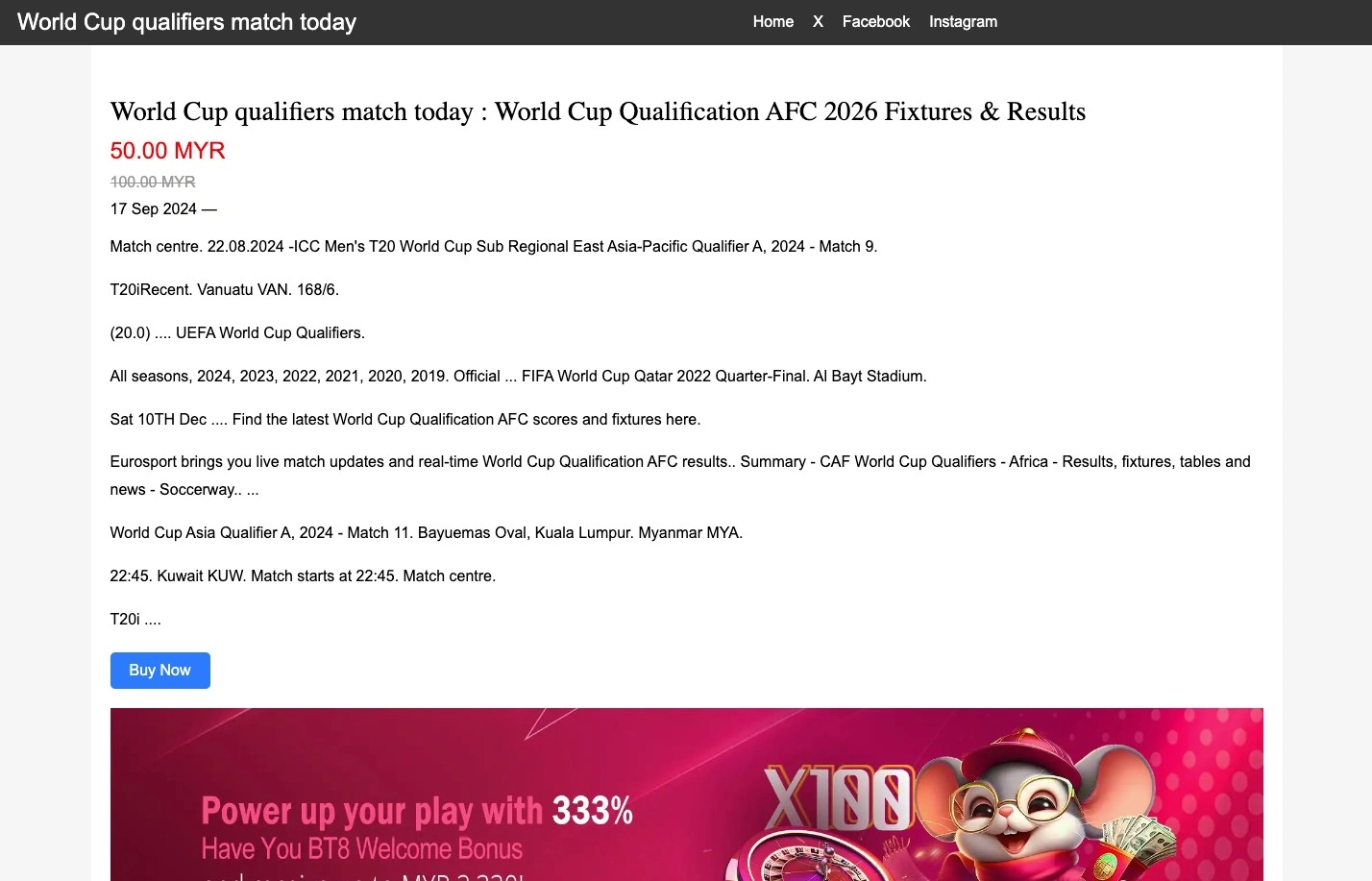
View the Google List
How Was the Hack Carried Out?
The attack appears to have been executed using several common hacking techniques, including:
- Code Injection: This involves injecting malicious code into a website’s backend, allowing attackers to manipulate its content or functions.
- XSS (Cross-Site Scripting) Injection: In this method, hackers exploit vulnerabilities in a website’s security to inject harmful scripts. These scripts can steal data, manipulate the user interface, or hijack user sessions.
- SQL Injection: This occurs when hackers exploit vulnerabilities in database-driven applications. By injecting malicious SQL queries, they can access, modify, or delete sensitive information stored in the database.
- Bots: Automated scripts or bots can be used to scan websites for vulnerabilities, enabling attackers to breach security protocols without manual intervention.
The motivation behind the attacks is mainly for financial gains and SEO — more on why hackers hack.
Website hacking is not a question of “how”, but “when”. It could be tomorrow, or next year, but it will happen eventually.
Platforms Under Attack
- Joomla
- CodeIgniter
- Drupal 9
- Custom PHP framework
- WordPress
(Details on the specific platforms exploited will be added later.)
How Can We Prevent Future Attacks?
To prevent similar incidents, several steps can be taken to secure websites from cyber threats:
- Regular Security Audits: Conduct frequent audits to identify and patch any vulnerabilities before they can be exploited.
- Implement Strong Authentication Protocols: Enforce multi-factor authentication (MFA) and ensure strong password policies to reduce the risk of unauthorized access.
- Sanitize User Inputs: Validate and sanitize all user inputs to prevent malicious code from being injected into the system.
- Use a Web Application Firewall (WAF): A WAF can help block harmful requests and defend against XSS and SQL injection attacks.
- Keep Software Updated: Always ensure that the website’s CMS, plugins, and other software components are up to date with the latest security patches.
- Delete Unused Domain: Remove the domain and the apps if they are no longer in use.
Protect Your Website Today
If you have a WordPress website that needs expert maintenance and protection from attacks like these, please feel free to request a demo of our services.
We specialise in ensuring your website is secure, updated, and resilient to cyber threats.